Home / Academics / Logic (7-8)

Logic (7-8)

Logic Stage

Logic (7-8)

In the logic stage, students learn to ask thoughtful questions, recognize structure, examine arguments, and apply orderly reasoning across subjects.

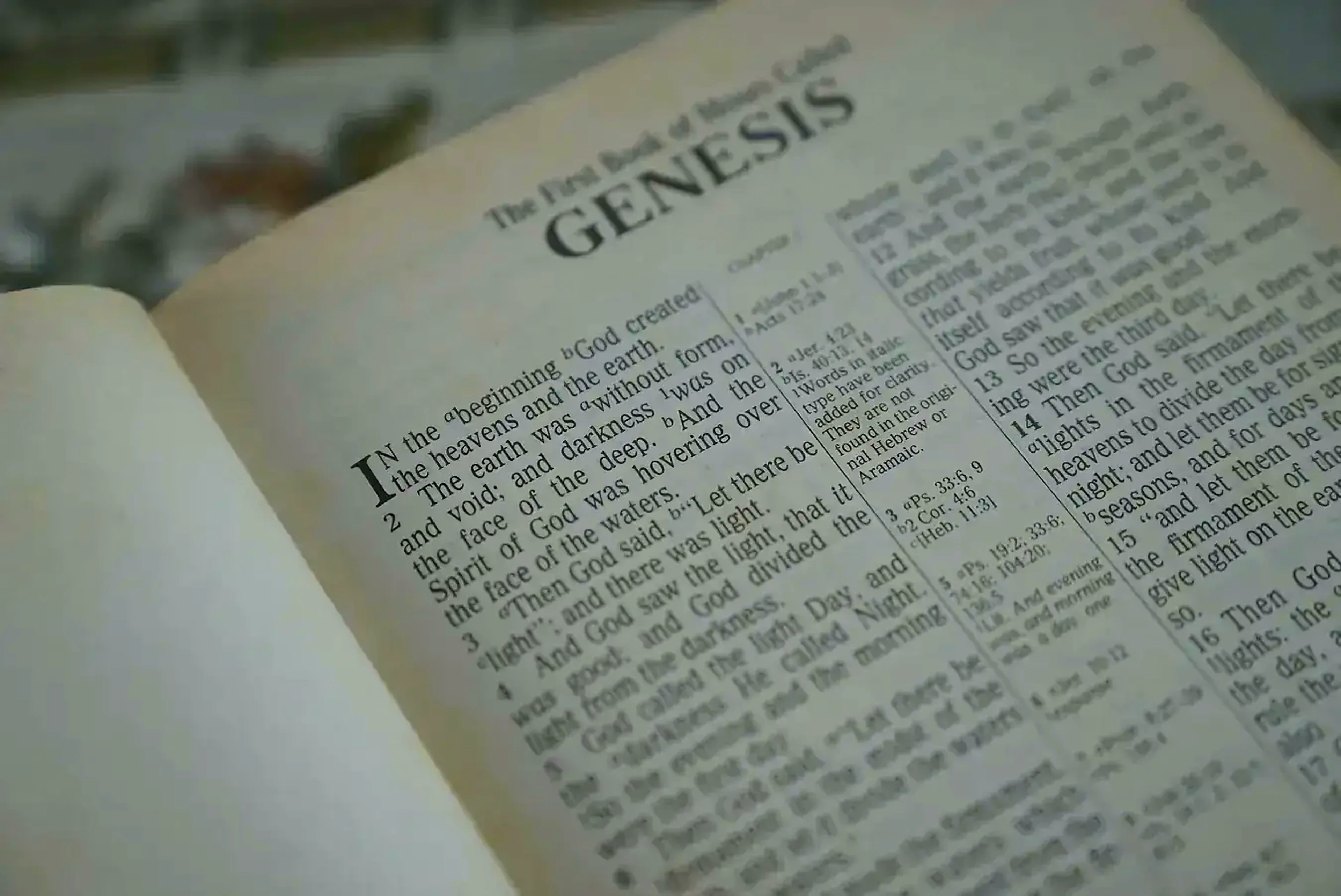
Bible page

Theology

Students will learn the basics of theology and the study of religious thought. They will be introduced to the Bible as a foundational text in the Christian tradition and to its role in shaping belief and practice. Students will also learn sound principles of textual and theological interpretation. Finally, students will study the major areas of theology, such as the nature of God and creation, anthropology, Christ’s person and work, the means of grace, the church, the sacraments, and eschatology. All of this instruction will be presented in a way that is consistent with the school’s educational framework, and students will be challenged to apply these ideas thoughtfully to their lives.

Book and glasses

Literature

Students will become familiar with the common cultural consensus of the Western world—the body of thought, belief, and imagination that encompasses Western education. Familiarity with Western culture is essential for understanding and engaging with our culture thoughtfully. Students will gain an understanding of great ideas expressed through literature. Finally, students will learn to appreciate the beauty of language and literature. Developing the ability to discern beauty is an important part of intellectual and cultural formation, and exposure to great literature is one of the best ways to do so.

Historical compass drawing

History

Students will learn to discern the major forces and turning points that have shaped history. They will study leaders of our culture and of our nation, as well as other influential historical figures. Students will learn about the consequences of human actions through the actions of our predecessors. The aim is for students to gain wisdom from the past, avoid repeating earlier mistakes, and cultivate strong character in future generations.

Puzzle piece

Logic

Students will learn to think rightly. They will understand formal logic, including the study of syllogism and propositions, and informal logic, including the study of informal fallacies. They will understand how to apply logic to all newly encountered information. Finally, students will be taught to recognize the logical structure of sound reasoning and to value it as an essential part of clear thought.

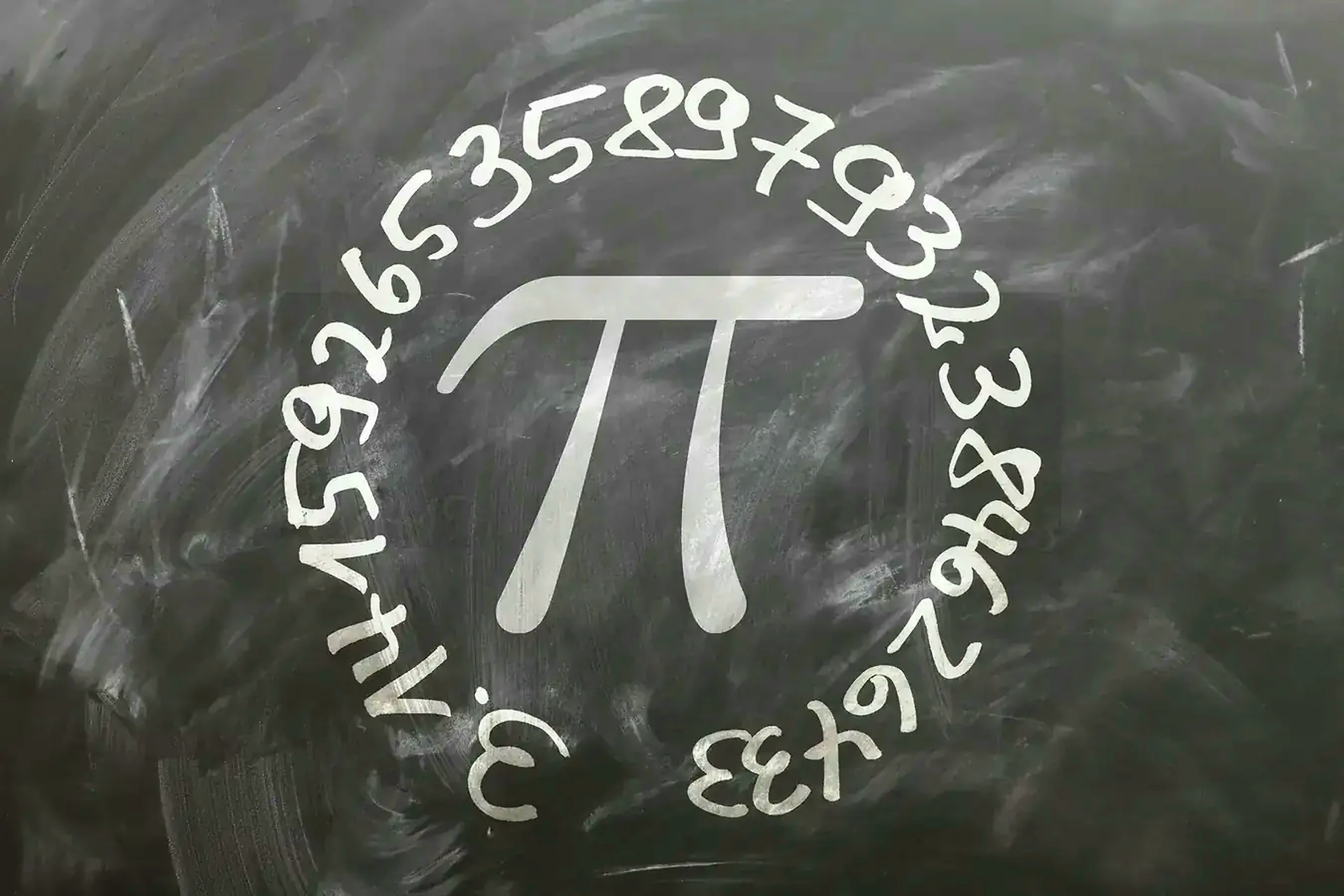
Pi symbol on chalkboard

Math

Students will master basic mathematics and solve complex equations with single and multiple variables. Students will be able to solve proofs in Geometry and solve problems using trigonometric functions. Through the study of mathematics, students will come to appreciate order, structure, and the patterns that exist in nature.

Science laboratory

Sciences

Students will gain an understanding of general science, the life sciences (biology, anatomy and physiology, and marine biology), chemistry, and physics. They will become acquainted with inductive reasoning through the use of the scientific method. Students will learn to better understand the natural world through the study of scientific principles and observable phenomena.

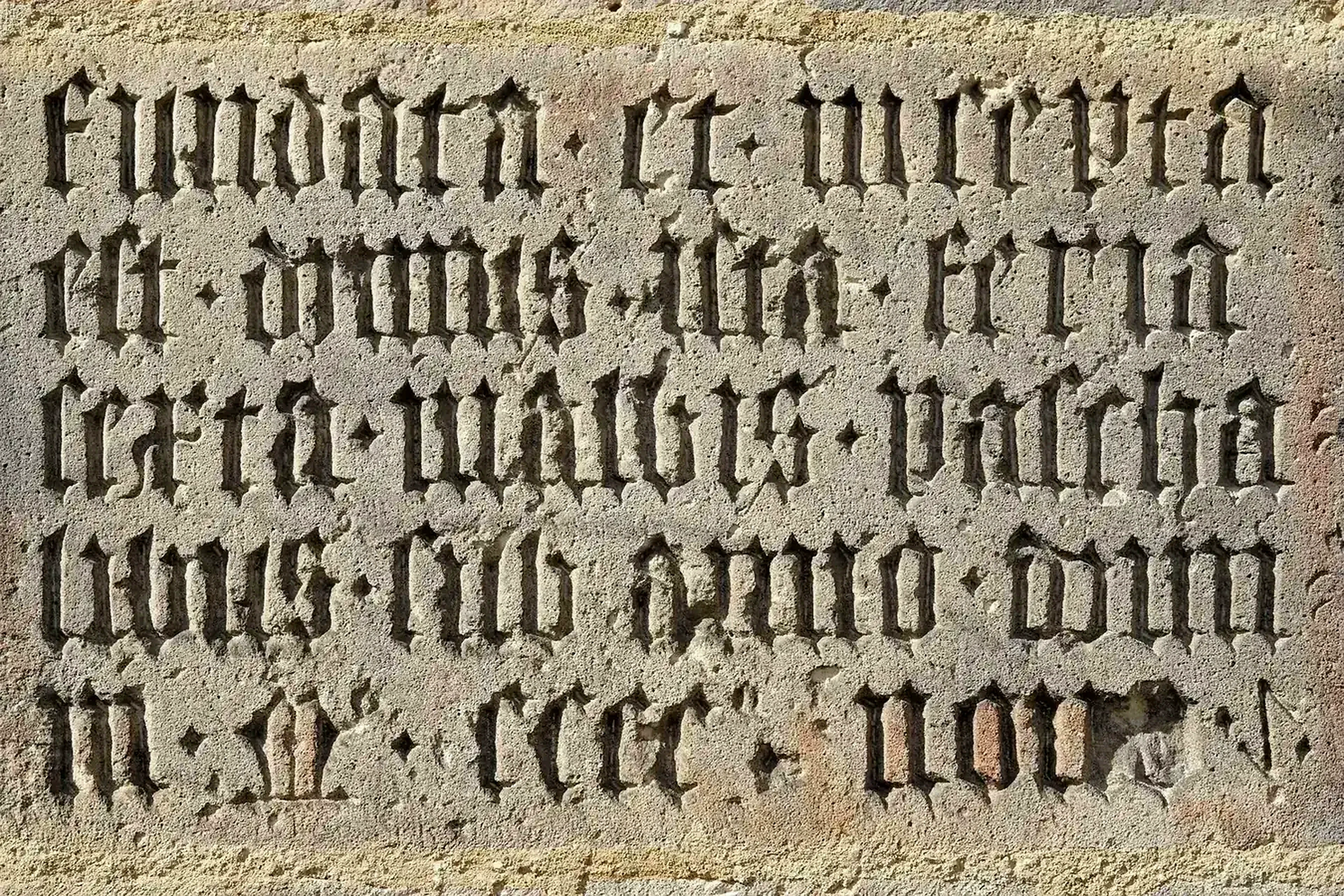
Classical manuscript

Classical Language (Latin)

Students will gain a greater understanding of English grammar and more quickly learn modern foreign languages through the study of classical language. Students will learn to master the English language and will be taught to read the great works of antiquity in the original language.

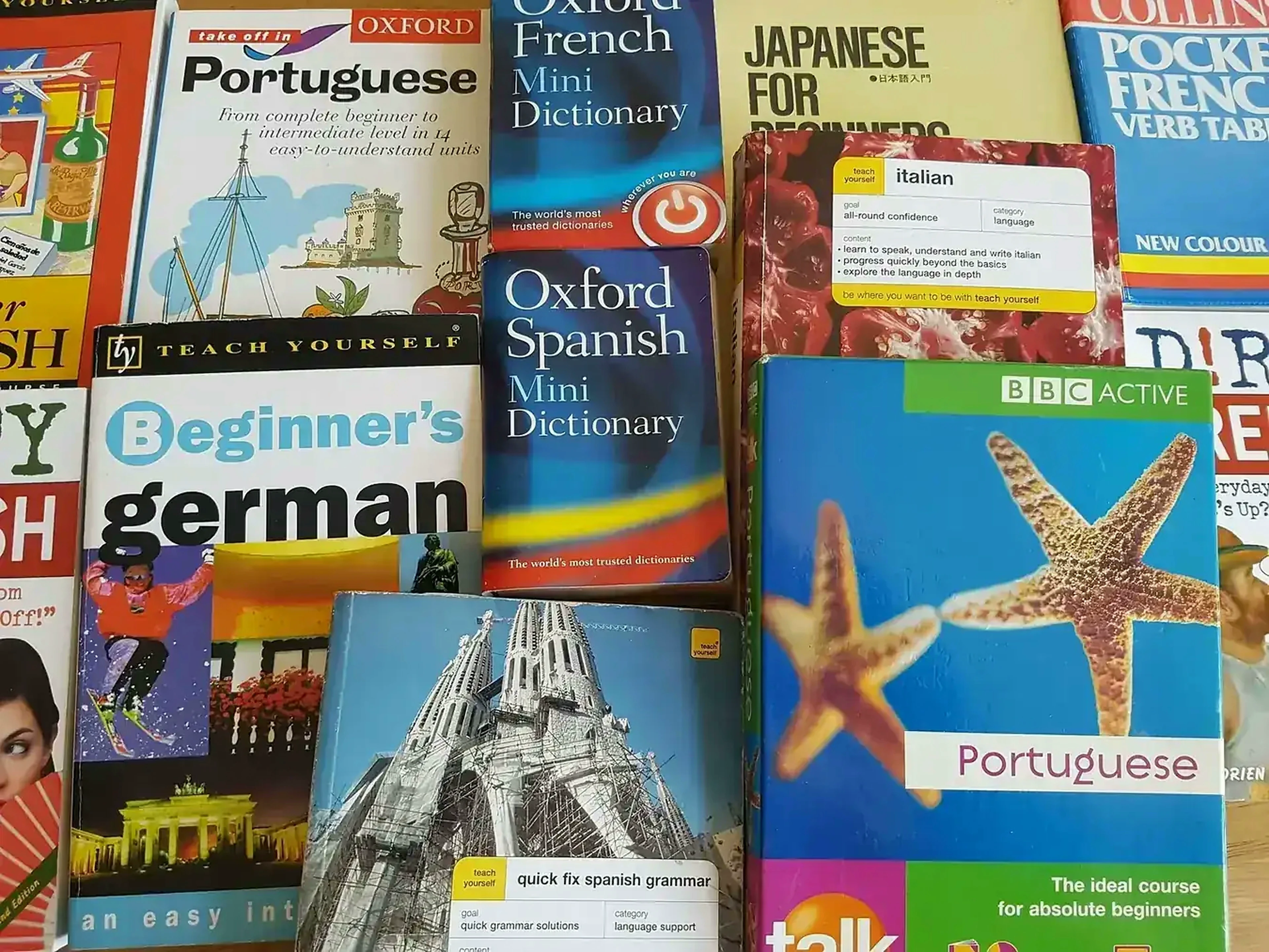
Foreign language books

Modern Foreign Language

Students who study a modern foreign language will learn to communicate with people of other nationalities. Students will gain a mastery of the language’s grammar and syntax. They will also learn to engage with and appreciate literature written in that language, as well as the cultures in which it is used.